
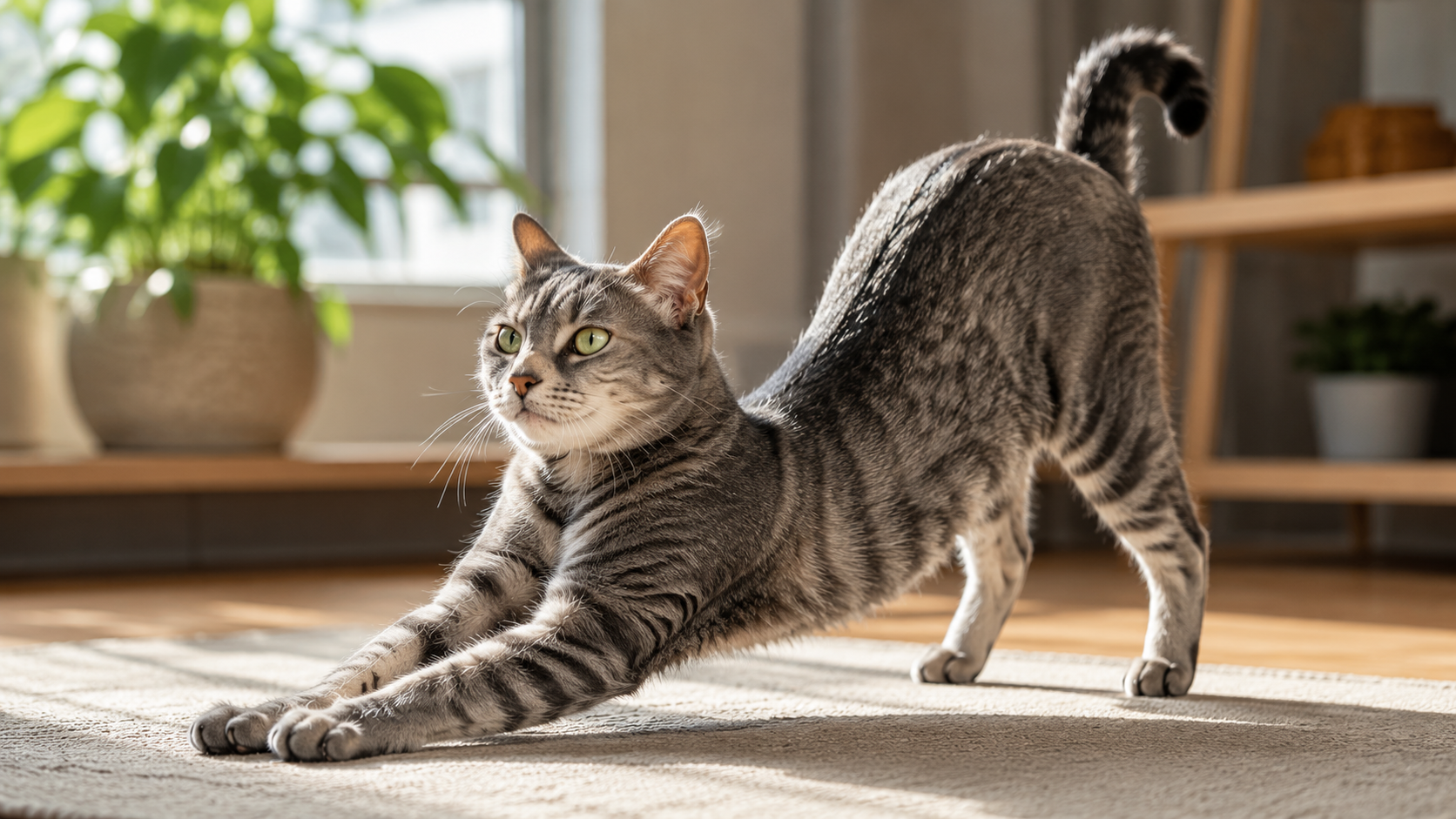
For most healthy senior cats, higher-quality, adequate-to-high protein is beneficial, not something to avoid. Protein helps preserve lean muscle mass, which cats tend to lose gradually with age even when their weight looks stable. The major exception is cats with diagnosed chronic kidney disease, where protein type and amount are typically managed more carefully under a veterinarian’s guidance — which is why “high protein” isn’t a blanket recommendation for every senior cat.
There’s a persistent idea that older cats need less protein, similar to older dogs on some “senior” diets. For cats, the evidence points the other way for most healthy seniors. This guide explains why, what “high protein” actually means on a label, and the one major situation where the general rule doesn’t apply.
Why Protein Matters More, Not Less, as Cats Age
Cats are obligate carnivores with naturally high protein requirements throughout life; this doesn’t change simply because a cat gets older. What does change is how efficiently an aging cat’s body uses that protein.
Digestive efficiency often declines with age. Some senior cats absorb and metabolize protein less effectively than they did as younger adults, which means they may need the same or even slightly more dietary protein to maintain the same muscle mass.
Sarcopenia is common in aging cats. This is the gradual, often unnoticed loss of lean muscle mass that can occur with age, sometimes even while total body weight stays the same. A cat can look like she’s maintaining a healthy weight on the scale while quietly losing muscle underneath.
Muscle supports far more than mobility. Adequate lean muscle mass contributes to immune function, metabolic health, and a cat’s ability to recover from illness or injury, all of which become more relevant in the senior years.
This is why many veterinary nutrition sources now push back on the older assumption that senior cats should automatically eat less protein. For most healthy older cats, the opposite is generally closer to accurate.
What “High Protein” Actually Means on a Label
Protein percentages on pet food labels can be confusing, partly because dry and wet food percentages aren’t directly comparable due to moisture content differences.
| Dry food | Roughly 35–45%+ crude protein | Low moisture concentrates the percentage |
| Wet food | Roughly 8–12%+ crude protein | High moisture content dilutes the percentage |
To compare dry and wet foods fairly, protein needs to be evaluated on a dry matter basis, which removes moisture from the calculation. Many pet food companies list this on their website or provide the information if asked directly, since it’s not required on the standard label.
Protein Quality Matters as Much as Quantity
A high protein percentage doesn’t automatically mean a food is well-formulated. Two foods can both list “40% protein” and differ significantly in how usable that protein actually is for your cat.
- Named animal proteins (chicken, turkey, salmon) are generally more digestible and biologically appropriate for cats than vague terms like “meat by-product” or plant-based protein sources.
- Amino acid completeness matters. Cats need specific amino acids, including taurine and arginine, which are found reliably in animal-based protein and are why plant proteins alone can’t adequately meet a cat’s needs.
- Digestibility affects how much protein your cat actually absorbs, not just how much is listed on the label. This is harder to assess from packaging alone, which is part of why named, high-quality protein sources are a more reliable signal than the percentage number by itself.
The Big Exception: Chronic Kidney Disease
This is the most important caveat in any conversation about protein and senior cats, and it’s worth understanding clearly rather than skipping past.
Chronic kidney disease (CKD) becomes more common with age, and it changes how protein should be approached. Cats with CKD often benefit from a diet with moderated (not eliminated) protein and reduced phosphorus, since this can help ease the workload on already-compromised kidneys. This is different from a healthy senior cat’s needs, and it’s specifically why “kidney support” or “renal” therapeutic diets exist as prescription formulas rather than general senior food.
| Healthy senior cat, no diagnosed conditions | Adequate to high, quality protein generally supported |
| Senior cat with early or mild kidney disease | Protein levels typically guided by a veterinarian, often moderated |
| Senior cat with advanced kidney disease | Usually managed with a veterinary prescription renal diet |
If your cat hasn’t been diagnosed with kidney disease, don’t preemptively restrict protein based on age alone; that approach isn’t well-supported by current veterinary nutrition guidance and could work against muscle preservation. If your cat has been diagnosed, follow your veterinarian’s specific dietary recommendations rather than general guidance like this article.
Signs Your Senior Cat May Benefit From a Closer Look at Protein Intake
- Noticeable muscle loss along the spine or shoulder blades, even without significant weight loss
- Reduced strength or difficulty jumping that isn’t explained by joint pain alone.
- Slow recovery after minor illness or a vet-recommended weight-loss period
- A body condition score that looks fine, but a muscle condition score that seems reduced
These signs are worth bringing up with your veterinarian, who can assess muscle condition directly and advise whether a dietary adjustment makes sense for your specific cat.
Common Mistakes
- Assuming “senior” food automatically means lower protein. Formulations vary significantly between brands; the word “senior” doesn’t guarantee a specific protein level.
- Restricting protein without a kidney disease diagnosis, based on outdated assumptions about aging.
- Focusing only on the protein percentage and ignoring protein source and quality.
- Switching to a prescription renal diet without a vet’s involvement, since these diets aren’t appropriate for cats without the condition they’re designed for.
- Not accounting for calorie needs alongside protein. A high-protein food that’s also very calorie-dense may not suit a less active senior cat’s weight goals.
Myth vs. Fact
| “Senior cats need less protein as they age.” | Most healthy senior cats benefit from adequate to high protein to help preserve lean muscle mass — low protein is generally reserved for cats with diagnosed kidney disease. |
| “High protein food causes kidney disease.” | Current veterinary research doesn’t support the idea that dietary protein causes kidney disease in cats without pre-existing kidney impairment. |
| “All senior formulas are lower in protein than adult food.” | This varies by brand — some senior formulas are actually higher in protein than their adult counterparts, specifically to help offset age-related muscle loss. |
| “A high protein percentage always means better quality.” | Protein source and digestibility matter as much as the percentage — a lower percentage of highly digestible animal protein can outperform a higher percentage of lower-quality protein. |
Practical Tips for Choosing a High-Quality Protein Source
- Check that a named animal protein appears first on the ingredient list, rather than a vague or generic term.
- Look at protein on a dry matter basis if comparing dry and wet foods directly.
- Confirm your cat doesn’t have a kidney disease diagnosis before prioritizing a high-protein formula.
- Watch your cat’s muscle condition, not just body weight, since the two don’t always move together.
- Introduce any new food gradually over 7–10 days to avoid digestive upset.
- Ask your vet about a body and muscle condition assessment at your cat’s next wellness visit, especially if she’s over 10.
Frequently Asked Questions
Do senior cats need more protein than adult cats?
Not necessarily more, but many healthy senior cats benefit from maintaining adequate to high protein intake, since digestion can become less efficient with age and muscle loss becomes more common.
Is high protein food bad for a senior cat’s kidneys?
For a healthy senior cat without diagnosed kidney disease, current veterinary evidence doesn’t support the idea that dietary protein causes kidney damage. Cats with diagnosed kidney disease are a different situation and should follow their vet’s specific guidance.
How much protein should a senior cat eat daily?
There’s no single universal number, since it depends on your cat’s weight, health status, and the specific food’s overall nutrient profile. Your veterinarian can help you evaluate whether your cat’s current diet provides adequate protein.
What’s the best protein source for senior cats?
Named animal proteins like chicken, turkey, or fish are generally considered higher quality and more digestible than vague or plant-based protein sources for cats.
Can high protein food help with muscle loss in senior cats? It can help support and preserve existing muscle mass, especially when paired with adequate calories, but it won’t necessarily reverse muscle loss that’s already occurred. A vet visit can help identify the underlying cause if muscle loss is significant.
Should I switch my senior cat to a high protein diet without asking my vet? For most healthy senior cats, adequate protein is a reasonable general goal. Still, it’s worth confirming your cat doesn’t have an undiagnosed condition like kidney disease before making significant diet changes.
Is wet or dry food better for getting enough protein? Both can provide adequate protein; what matters more is the protein source and overall formulation than whether it’s wet or dry. Comparing protein content is easier when done on a dry matter basis.
Does high protein food help senior cats maintain a healthy weight? Protein can support satiety and help preserve lean muscle during weight management, but overall calorie content still matters most for weight control.
Final Takeaways
- Most healthy senior cats benefit from adequate to high-quality protein, not less, since it helps preserve lean muscle mass that’s commonly lost with age.
- Protein source and digestibility matter as much as the percentage listed on the label.
- Chronic kidney disease is the major exception; cats with this diagnosis typically need protein managed under veterinary guidance, often at a different level than a healthy senior cat.
- Muscle condition can decline even when body weight looks stable, so it’s worth having your vet assess muscle condition directly, not just weight.
- Don’t restrict protein based on age alone without a diagnosis; that approach isn’t well supported by current veterinary nutrition guidance.
- If you’re building out your cat’s full diet plan, see our guide on the best dry food for senior cats to see how protein fits alongside other nutritional factors.
Suggested References
Cornell Feline Health Center — feline nutrition and muscle condition
WSAVA Global Nutrition Guidelines — muscle condition scoring
AAFCO — nutrient profiles for adult cat food
International Renal Interest System (IRIS) — kidney disease staging and protein considerations
Merck Veterinary Manual — feline sarcopenia and geriatric nutrition
Peer-reviewed veterinary nutrition research on protein needs in aging cats