Cat Behavior

Clear, science-based explanations of common cat behaviors from aggression and anxiety to litter box problems and unusual habits. These guides help you understand why your cat behaves a certain way and what you can realistically do about it.

Why Is My Cat Hiding
Cat Health

Why Is My Cat Hiding? 10 Possible Reasons and What to Do

A cat disappearing under the bed can be unsettling, especially if your cat normally follows you around the house. But why is my cat hiding? There isn’t one universal answer. Some cats hide because they want a quiet, secure place to rest, while others retreat because they’re frightened, stressed, uncomfortable, or unwell. The most useful

Read More »
Why Does My Cat Follow Me Everywhere
Cat Behavior

Why Does My Cat Follow Me Everywhere? 9 Reasons Cats Follow Their Owners

If your cat follows you from room to room, the most likely explanation is that your cat has learned that being near you is rewarding, interesting, or reassuring. Your cat may want attention, expect food, enjoy your company, be curious about what you’re doing, or simply have learned your daily routine. Following you around the

Read More »
Cat Staring at Me Without Blinking
Cat Behavior

Why Is My Cat Staring at Me Without Blinking? 9 Possible Reasons

If you’ve ever wondered, “Why is my cat staring at me without blinking?”, the answer can be surprisingly simple: your cat may be watching you because it wants something, is curious about what you’re doing, feels comfortable around you, or is responding to something in its environment. A cat’s stare does not have one universal

Read More »
how to help a surviving cat after a companion dies
Cat Behavior

How to Help a Surviving Cat After a Companion Dies

Losing a cat is painful for the whole household, and a surviving cat may also react to the sudden change. Some cats search the house, call more often, sleep differently, eat less, or become unusually clingy. Others seem completely normal at first. Cats show stress and loss in different ways, so there isn’t one “correct”

Read More »
How to Know If Your Cat Is Depressed
Cat Behavior

How to Know If Your Cat Is Depressed: Practical Guide & Key

Cats can show true changes in mood after disruptions to their routine or environment; household-level context matters because nearly 40 million U.S. households have pet cats, so owners commonly face questions about behavior and wellbeing. Quick Answer A cat might be depressed if it shows sustained changes in appetite, activity, social interaction, or grooming after

Read More »
Why Does My Cat Bite Then Lick Me
Cat Behavior

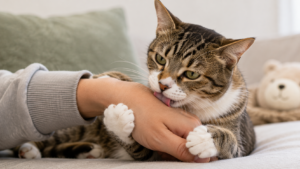
Why Does My Cat Bite Then Lick Me? How to Read the Mixed Message

The lick after the bite doesn’t necessarily mean your cat is apologizing. A cat that bites and then licks you may be grooming, playing, ending an overstimulating petting session, or shifting between different levels of excitement. A soft nibble followed by relaxed licking is very different from a hard bite preceded by a lashing tail

Read More »
Why Does My Cat Sleep in the Litter Box
Cat Behavior

Why Does My Cat Sleep in the Litter Box? When To Worry

A litter box is supposed to be your cat’s bathroom, not a place to sleep. If you notice your cat spending a lot of time lying in the box, especially if this is new, pay attention. There are a few behavioral reasons this can happen. A nervous new cat might pick a small, familiar-smelling spot

Read More »
Why Does My Cat Headbutt Me
Cat Behavior

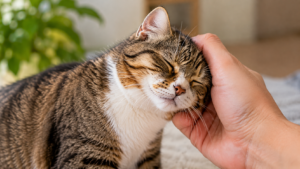
Why Does My Cat Headbutt Me? What This Feline Greeting Really Means

When your cat headbutts you, it usually means they feel comfortable approaching you and are engaging in normal feline social behavior. This action, also called head bunting, can help cats exchange familiar scents, greet people they know, or ask for attention. If your cat keeps headbutting you, they may be repeating a familiar greeting or

Read More »
Why Does My Cat Knead Before Sleeping
Cat Behavior

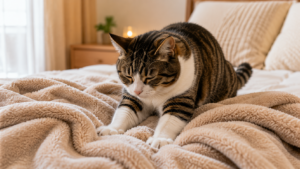
Why Does My Cat Knead Before Sleeping? Bedtime Explained

Your cat presses one front paw into the blanket, then the other. The claws may stretch out. A purr starts. A minute later, the kneading stops and your cat curls into a ball. That sequence is usually completely normal. Cats often knead before sleeping because kneading appears to be part of a comfortable settling routine.

Read More »