How to Help a Surviving Cat After a Companion Dies
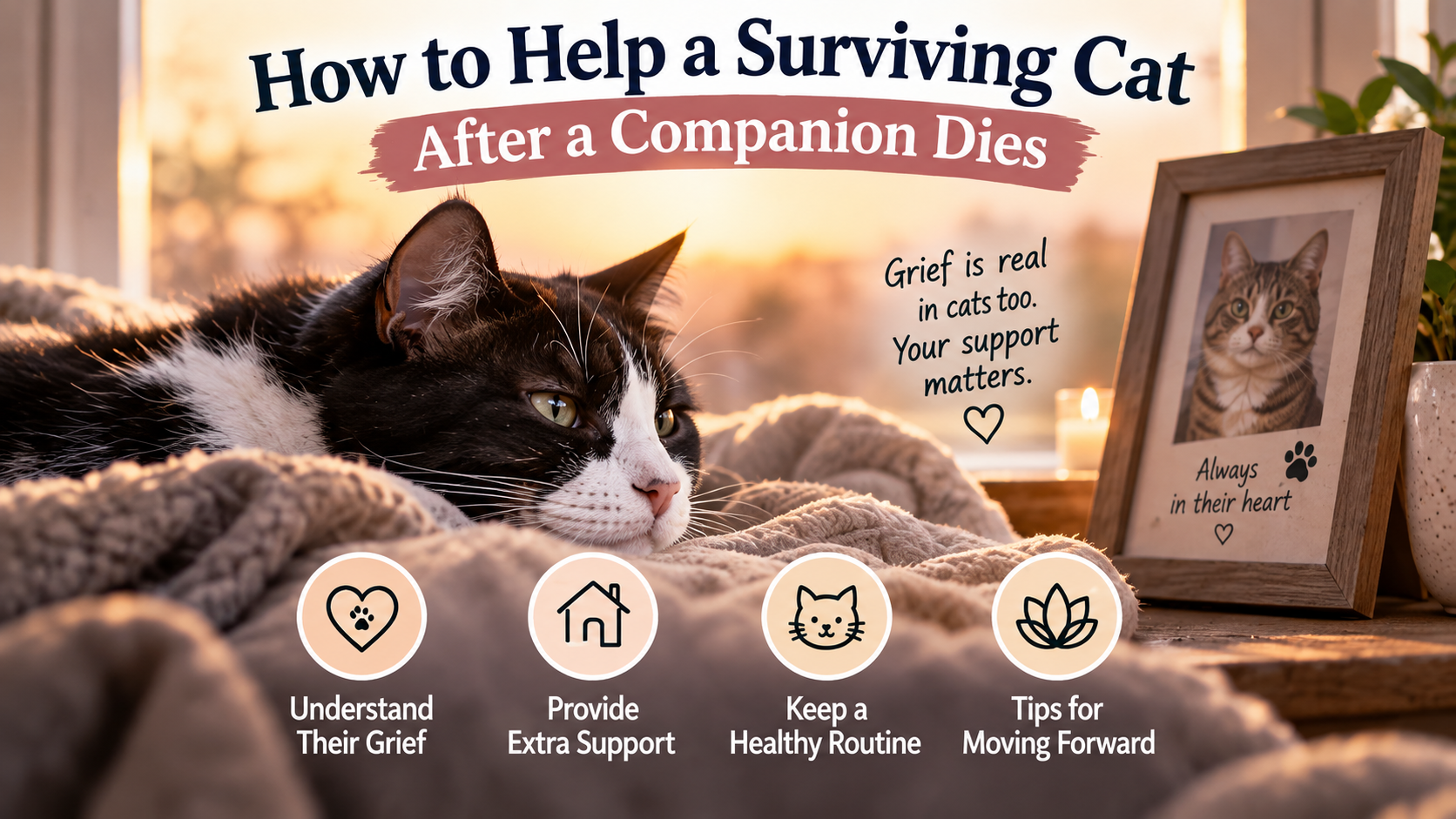
how to help a surviving cat after a companion dies

Losing a cat is painful for the whole household, and a surviving cat may also react to the sudden change. Some cats search the house, call more often, sleep differently, eat less, or become unusually clingy. Others seem completely normal at first. Cats show stress and loss in different ways, so there isn’t one “correct” …
Read more

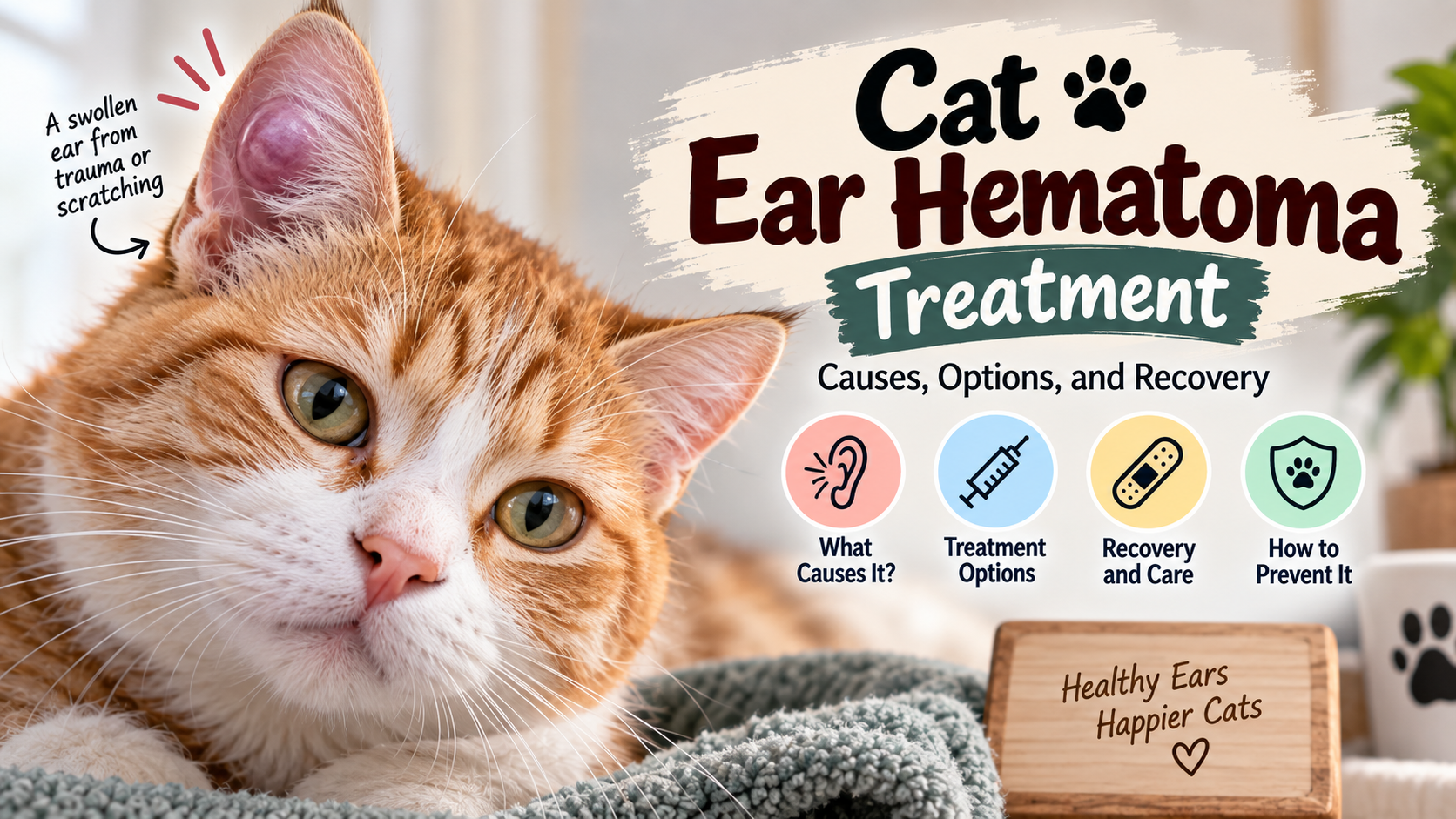
Cat Ear Hematoma Treatment: Causes, Options, and Recovery

cat ear hematoma treatment

A cat ear hematoma is a pocket of blood that forms inside the ear flap, usually after small blood vessels break. It can make the ear look swollen, thick, puffy, or folded over. The swelling may be soft and fluid-filled or firm and warm. The safest cat ear hematoma treatment is veterinary treatment. Ear hematomas …

Read more

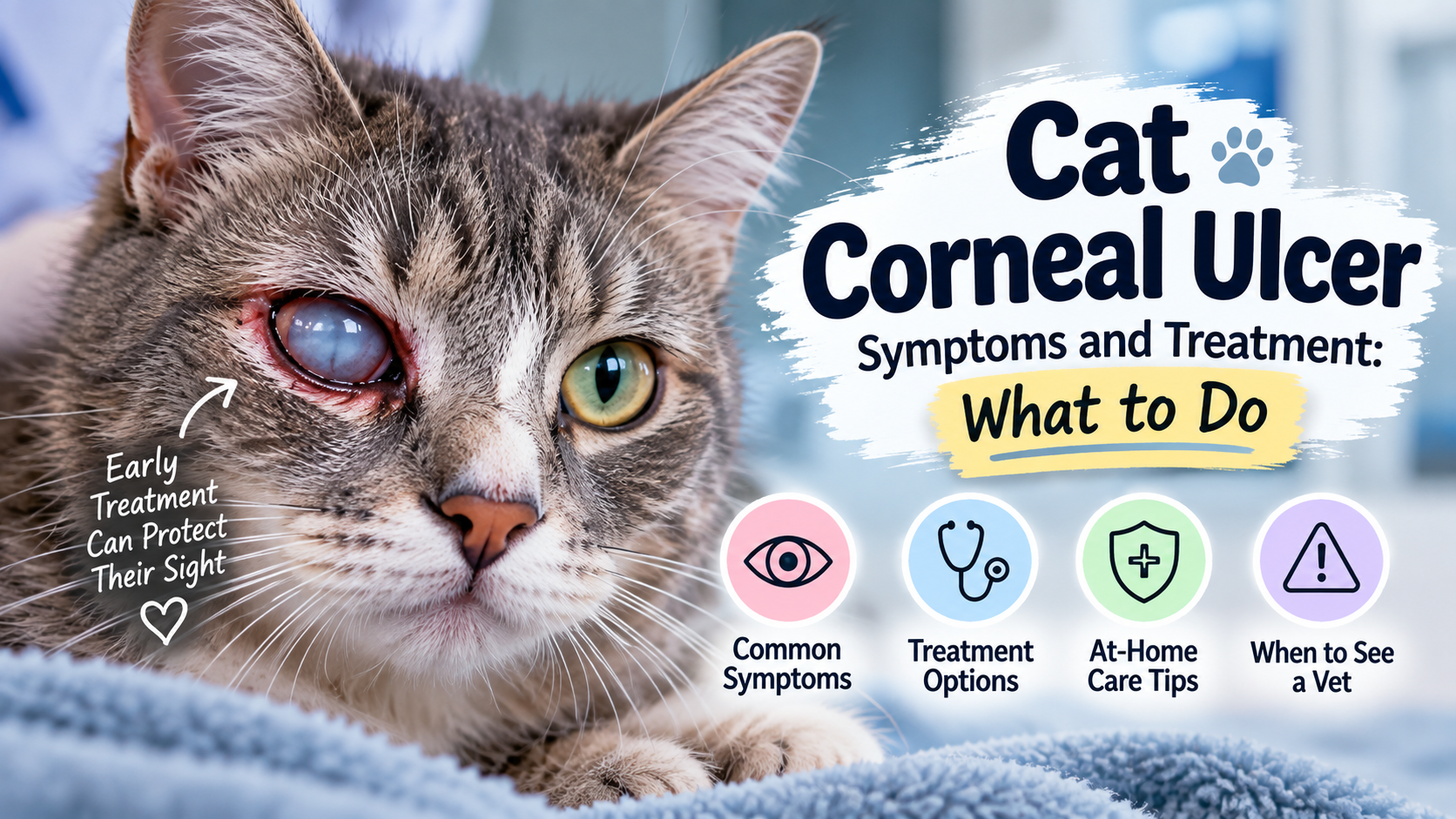
Cat Corneal Ulcer Symptoms and Treatment: What to Do

cat corneal ulcer symptoms and treatment

A corneal ulcer is a painful wound on the clear outer surface of a cat’s eye. Common cat corneal ulcer symptoms include squinting, keeping the eye closed, excessive tearing, redness, light sensitivity, and rubbing the face. Some ulcers are small and heal quickly with treatment, while deeper ulcers can damage the eye and threaten vision. …

Read more

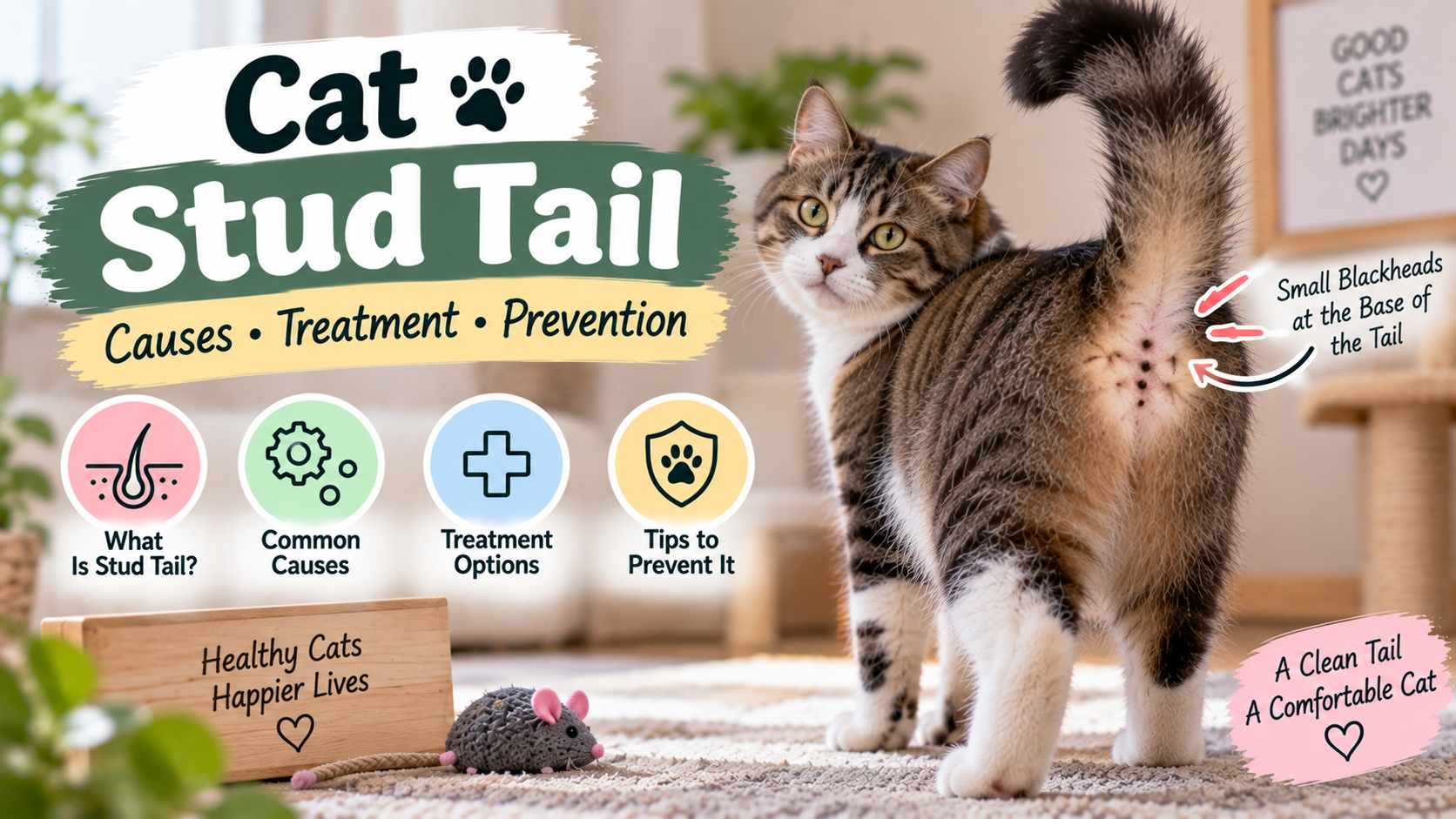
Cat Stud Tail: Causes, Symptoms, and Treatment Options

Cat Stud Tail

If your cat has greasy fur, blackheads, crusts, or hair loss near the base of the tail, stud tail may be the reason. Cat stud tail is a skin problem caused by overactive oil glands around the tail base. It is more common in unneutered male cats, but females and neutered cats can develop it …

Read more

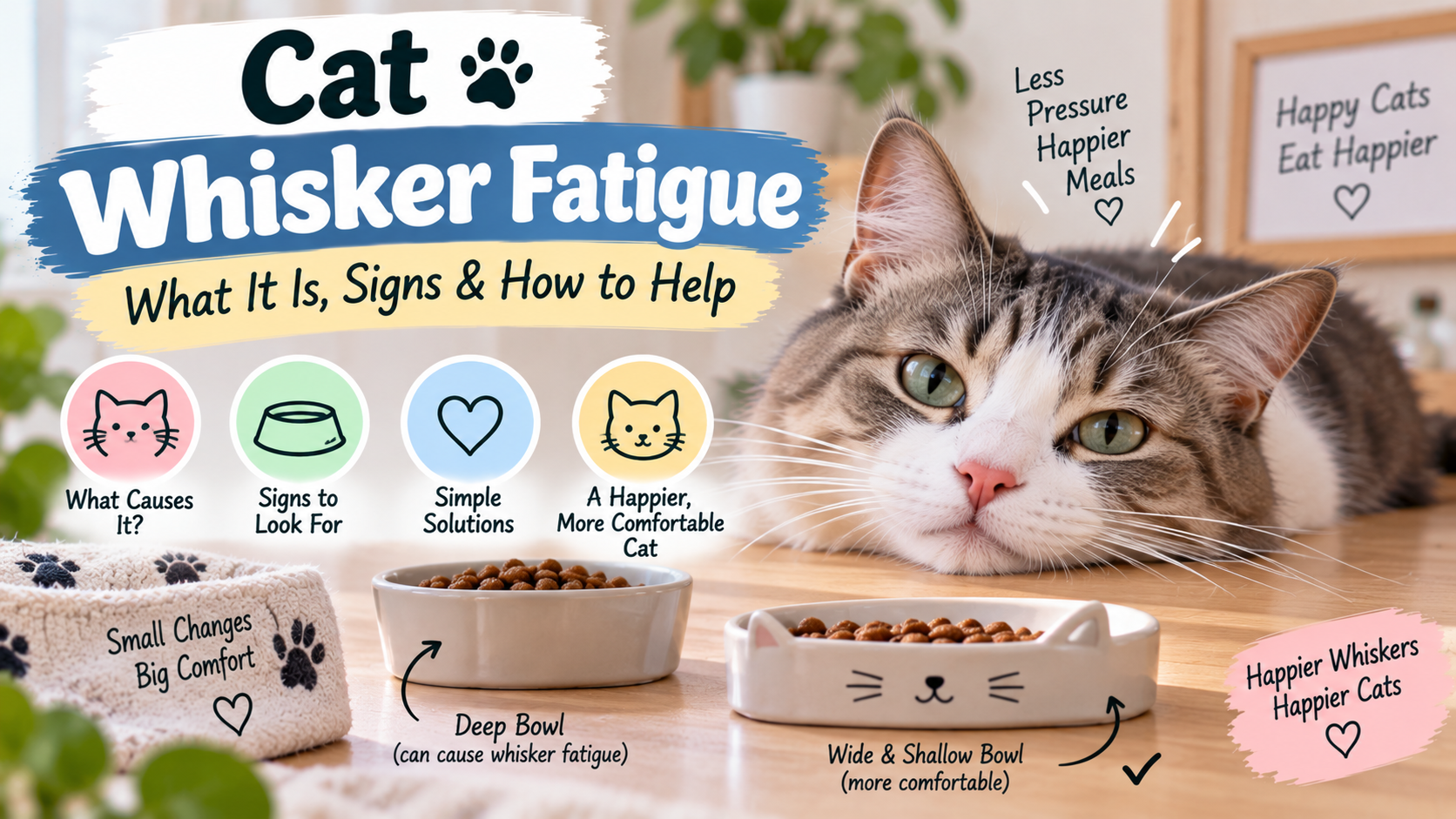
Cat Whisker Fatigue: Is It Real? Signs, Causes, and What to Do

Cat Whisker Fatigue

Cat whisker fatigue is it real? The short answer is: whisker-related stress or overstimulation may happen, but “whisker fatigue” is not a clearly established medical diagnosis. Your cat’s whiskers are sensitive tools that help them judge spaces, detect nearby movement, and understand their surroundings. Because of that sensitivity, some cats may dislike having their whiskers …

Read more

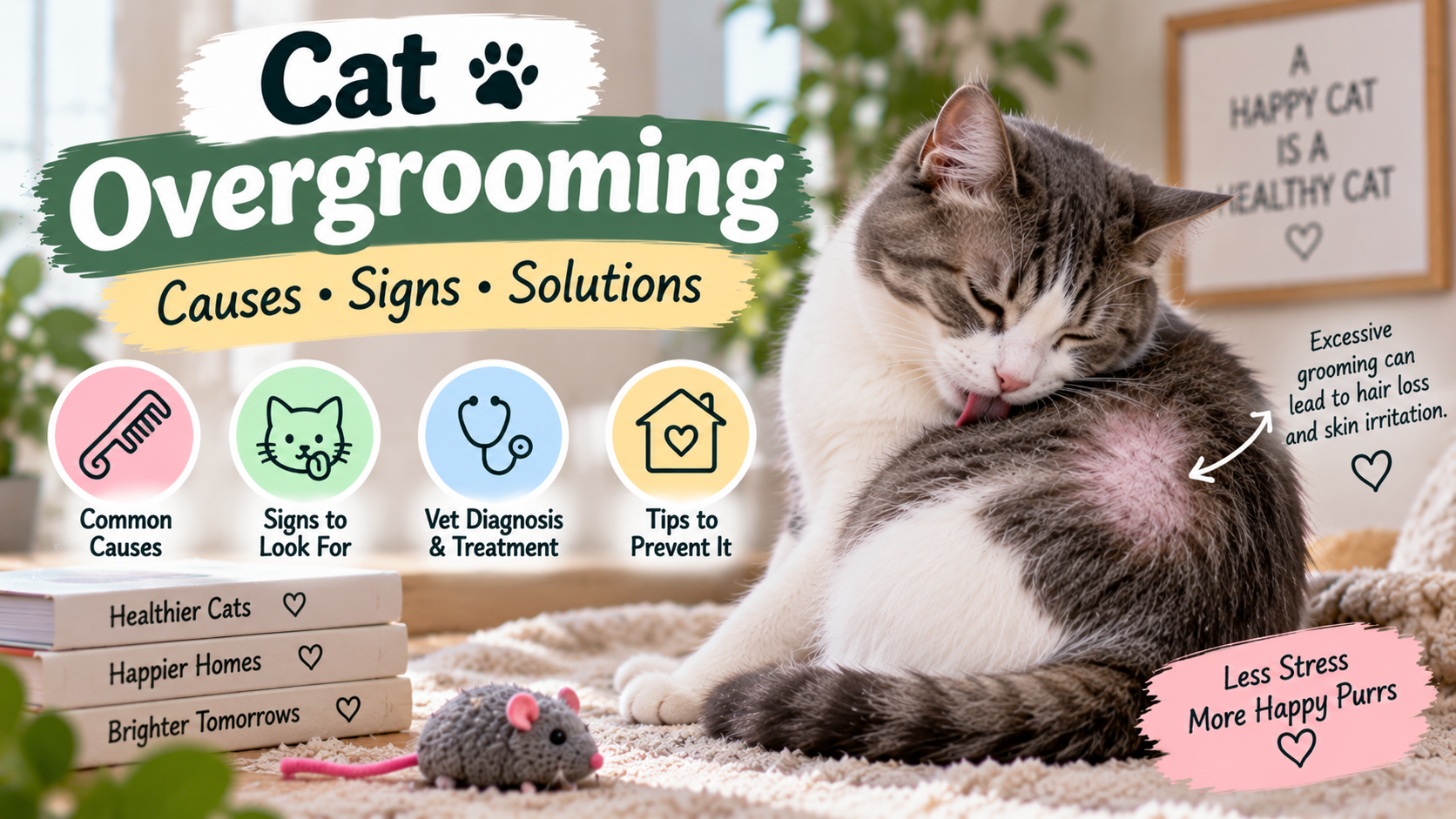
Cat Overgrooming: Stress vs. Medical Causes and What to Do

Cat Overgrooming

Cats spend a lot of time grooming, so it can be hard to tell when normal cleaning has turned into a problem. Cat overgrooming may be caused by stress, skin irritation, parasites, allergies, pain, or another medical condition. The tricky part is that stress and physical discomfort can look very similar at home. A few …

Read more

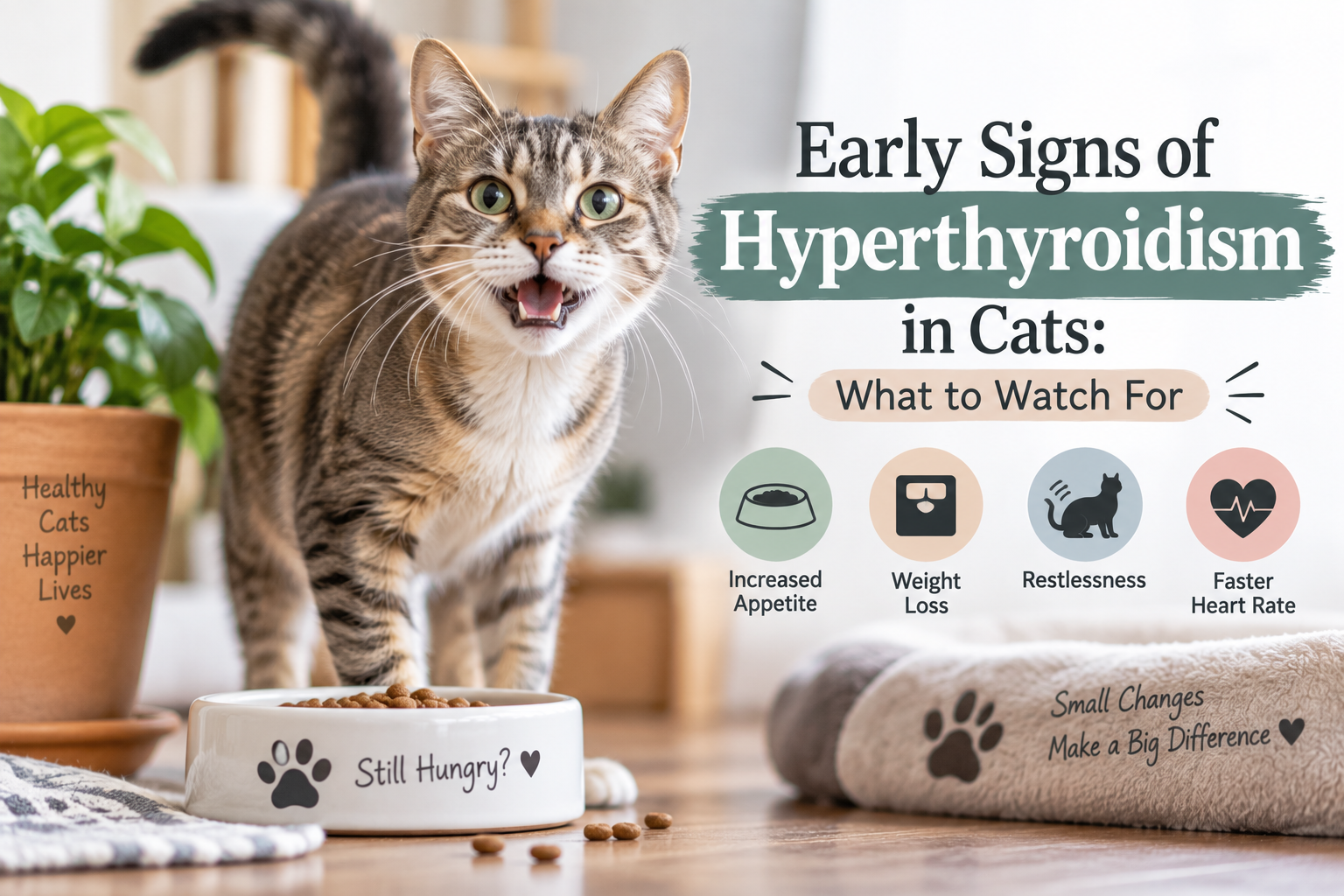
Early Signs of Hyperthyroidism in Cats: What to Watch For

Early Signs of Hyperthyroidism in Cats

Hyperthyroidism is one of the most common hormone problems in older cats. It happens when the thyroid glands produce too much thyroid hormone, which speeds up many body processes. The condition is treatable, but early signs can be easy to overlook because they may seem like normal changes associated with aging. The most common early …

Read more